

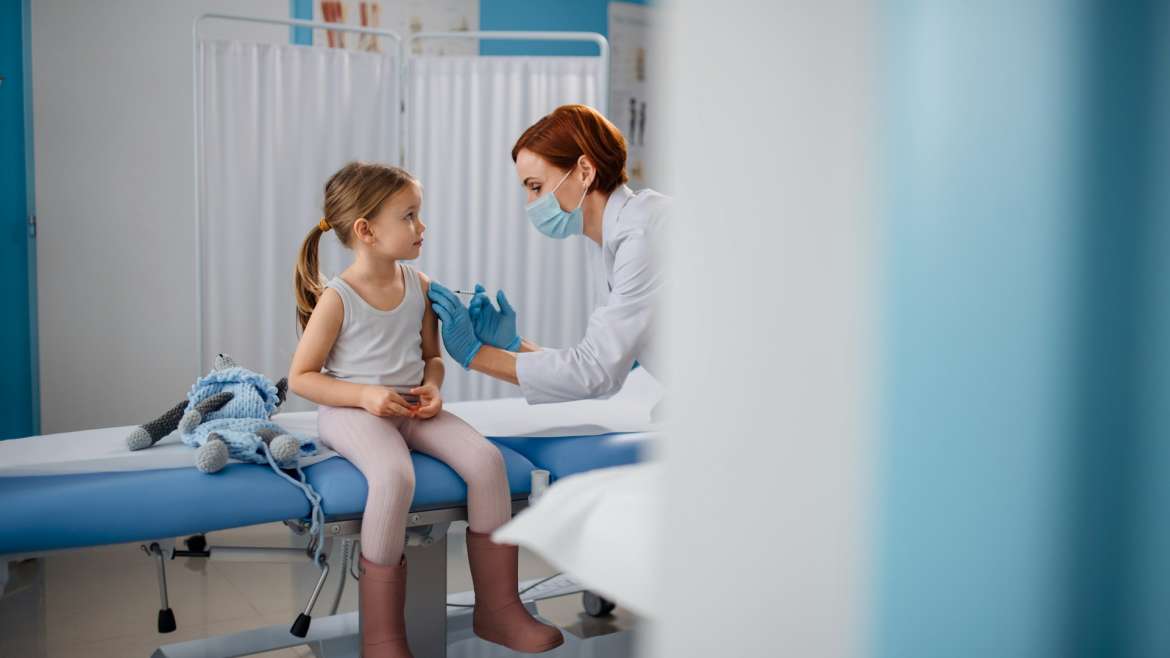
How Vaccinating Your Child Protects Nambour Families
Childhood vaccines do more than help your own child stay well. They also slow the spread of serious diseases through schools, childcare centres and sporting clubs in our local area. When kids are protected, it is harder for infections to find a way into homes, workplaces and our wider community.
Early May in Nambour, Woombye and Palmwoods often feels like peak sniffle season. Kids have been back at school for a while, the weather is cooling and people are starting to spend more time indoors. Respiratory infections like flu and whooping cough can spread more easily at this time, which is why staying on track with child immunisation in Nambour matters so much for local families.
At Nambour Clinic Family Medicine, with our practices in Nambour, Woombye and Palmwoods, we work with parents to keep children up to date with the National Immunisation Program. In this article we explain how vaccines work, how they protect the whole community, what the childhood schedule looks like and simple ways to make immunisation visits calmer and less stressful for you and your child.
How Vaccines Work to Stop Disease at the Source
Vaccines work by training the immune system in a safe and controlled way. They show the body a weakened or inactive part of a germ or something that looks similar to it. This teaches the immune system to recognise that germ and respond faster and stronger next time.
This helps in two key ways.
Individual protection means your child is less likely to become seriously unwell if they catch the disease. Vaccination can lower the chance of:
- Severe illness and breathing problems
- Hospital stays
- Complications like heart or brain inflammation
- Long recovery times that keep children away from school and activities
Community protection is about stopping diseases at the source. If a vaccinated child comes into contact with a disease, they are less likely to spread it to others. When many children are vaccinated, outbreaks struggle to take off.
Vaccines are especially important for children because:
- Their immune systems are still learning
- They are often in close contact in classrooms, childcare and team sports
- They share toys, snacks and surfaces where germs can pass from one child to another
By building strong immunity early, we can block many infections before they reach more vulnerable people.
Why Child Immunisation in Nambour Protects Vulnerable Neighbours
You might hear the term herd immunity or community immunity. This happens when enough people in a community are protected from a disease so it has trouble spreading. Even if a germ is brought into Nambour, Woombye or Palmwoods, it finds fewer people to infect.
This is especially important for people who cannot always be vaccinated or who may not respond as well to vaccines, such as:
- Newborn babies
- Pregnant women
- People having cancer treatment
- Older adults and people with long-term health conditions
Think about a case of measles at a local school. If most children are fully vaccinated, the virus may stop with that one child or only a small number of contacts. Without strong child immunisation in Nambour, that same case could spread through classrooms, into younger siblings at home and on to grandparents.
The same idea applies to whooping cough in a childcare centre or flu spreading through a sporting club. High vaccination coverage means:
- Fewer people get sick
- Outbreaks are smaller and shorter
- Everyday life is less disrupted for families
Around May, the cooler weather and more time indoors help respiratory viruses move between people more easily. This is also when flu season begins. Having your child’s routine vaccines, including the yearly flu shot if recommended, up to date before winter can reduce the risk of these illnesses spreading through your home and community.
What the Childhood Immunisation Schedule Really Means for You
The Australian National Immunisation Program sets out a schedule of vaccines that protect children from serious diseases. These are given at set ages so kids are protected as early and as safely as possible. Common milestones include:
- Birth
- 2, 4 and 6 months
- 12 and 18 months
- 4 years
- School-based vaccines for older children and teens
GPs and nurses at Nambour Clinic Family Medicine can guide you through each stage, explain what is being given and why, and help you plan future visits.
Parents often ask:
- Which vaccines are funded by the government?
- Are any extra vaccines recommended but optional, like the yearly flu shot for most children?
- What if our family has moved, or we lost track and my child has missed some vaccines?
If your child has missed or delayed vaccines, it is almost never too late to start or resume. Catch-up plans can be made safely, with schedules adjusted to your child’s age and health needs. Your GP can:
- Review your child’s record from the Australian Immunisation Register
- Explain which vaccines are still due
- Create a simple plan to get back on track at a pace that suits your child and family
Easing Fears and Myths About Childhood Vaccines
It is normal for parents to feel nervous about vaccine visits. Knowing what to expect can make things easier. Common side effects are usually mild and short lived, such as:
- Soreness, redness or a small lump where the needle went in
- Mild fever
- Being a bit unsettled or tired for a day or two
Serious reactions are rare. Before each vaccine, your GP or nurse will ask about your child’s health, allergies and past reactions. Children are then observed for a short time after the jab so staff can respond quickly if they notice anything unusual.
You may also hear myths from friends or online. Some common ones include:
- Vaccines overload a child’s immune system
- Too many vaccines at once are unsafe
- Vaccines cause developmental problems
These claims are not supported by the large amount of research from Australia and around the world. Children meet germs all day, every day, and their immune systems are built to handle many challenges at once. Vaccines safely prepare the body without causing the disease itself.
To make vaccine visits smoother, you might:
- Bring a favourite toy, book or comfort item
- Plan appointments for a time when your child is usually well rested and fed
- Use simple, honest language about what will happen
- Ask your GP or nurse to explain each step so you feel calm and informed
A calm parent often helps a child feel more settled too.
Steps You Can Take Now to Protect Your Child and Community
A useful first step is to check your child’s immunisation status. You can do this through the Australian Immunisation Register, through your MyGov account, or by asking reception or nurses at your local practice to help you review the record.
From there, consider:
- Booking a May or early winter visit to your GP for any routine schedule vaccines that are due
- Asking about the yearly flu shot for your child, especially if they attend childcare, school or regular group activities
- Letting your GP know about any health conditions, allergies or medicines so vaccines can be planned safely
At Nambour Clinic Family Medicine, our teams in Nambour, Woombye and Palmwoods work with families to support child immunisation in Nambour and surrounding suburbs. By keeping your child’s vaccines up to date, you are not only protecting them, you are also helping shield babies, older adults and neighbours with weaker immune systems, making our whole community a safer, healthier place to live.
Protect Your Child’s Health With Timely Vaccinations
If you have questions about vaccine schedules or what your child needs at each age, our doctors at Nambour Clinic Family Medicine are here to guide you. Learn how we support safe and evidence-based child immunisation in Nambour and help you feel confident about every step. To book an appointment or ask a question, please contact us so we can support your family’s health.