

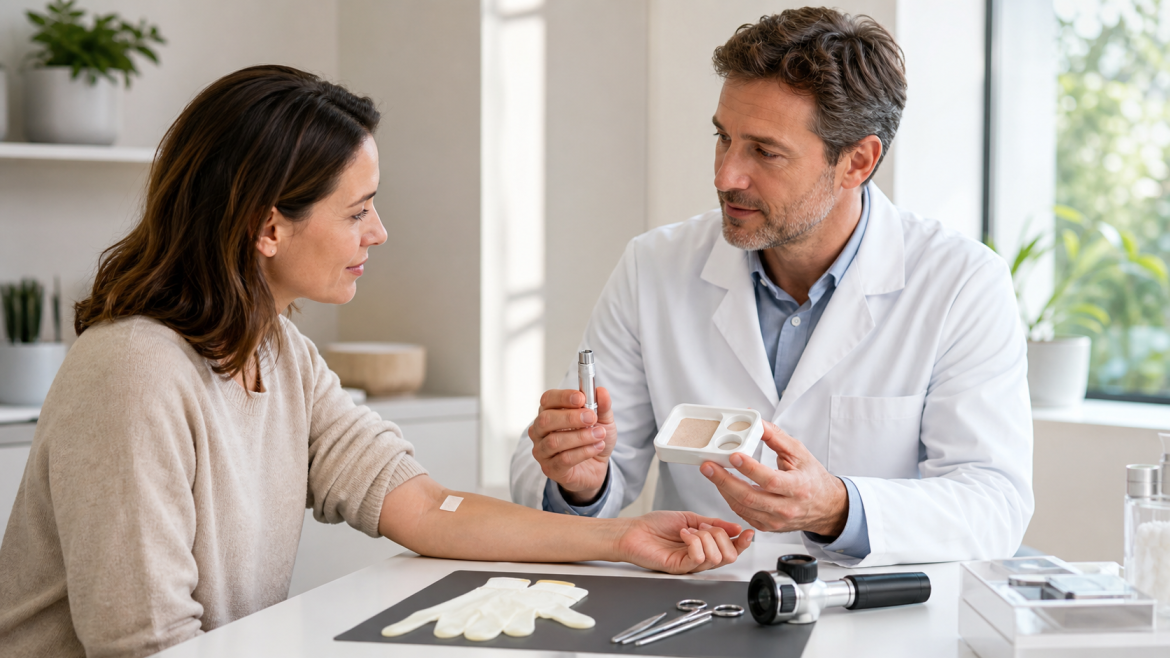
After Your Skin Cancer Check in Nambour
Walking out of a skin check, many people are left with the same thought: what happens now? You might feel relieved, a bit worried, or simply confused about what the doctor saw and what it all means.
After a routine skin cancer check, there are a few common paths. Sometimes everything looks fine and you just plan your next check. Other times, your GP may suggest keeping an eye on a spot, taking a biopsy, or arranging skin lesion removal in Nambour. Needing more tests or treatment does not automatically mean you have skin cancer. It is usually a careful safety step to protect you in the long run.
In this article, we explain what your results might mean, the difference between a biopsy and an excision, what to expect if a spot is removed, and the kinds of next steps your GP may discuss with you.
Understanding Your Skin Check Results
After your skin check, your GP will usually place spots into broad categories. This is general information only and your own results need a proper chat with your doctor, but it can help to know the usual patterns.
Common result types include:
- Normal or benign: spots that look harmless and need no treatment
- Needs monitoring: areas that look low risk now but should be checked again
- Suspicious or abnormal: lesions that may need a biopsy or removal
If everything appears normal, your GP may suggest routine skin checks based on your risk. If a spot needs monitoring, you might be asked to return after a set time so your doctor can look for any changes.
To assess risk, GPs usually look at things like:
- Size and thickness of the spot
- Shape and border, for example smooth or irregular edges
- Colour, including any patchy or very dark areas
- Changes over time, like new itching, bleeding or rapid growth
- Where it sits on your body
- Your individual risk factors, such as skin type, past sun exposure and any previous skin cancers
If you are unsure about any part of your result, it is always better to ask. A follow-up appointment gives you time to go through the findings, talk about options and plan what happens next in a calm, clear way.
Biopsy vs Excision: What Your GP May Recommend
When a spot needs closer assessment, your GP may suggest either a biopsy or an excision. The words can sound scary, but they simply describe different ways of removing skin.
A biopsy means taking a small sample of skin so a specialist doctor can examine it under a microscope. Only part of the lesion is removed. This is often used when:
- The diagnosis is not clear
- The spot has some, but not all, worrying features
- Your GP wants more information before a larger procedure
An excision means removing the whole visible lesion, plus a small margin of normal looking skin around it. This is more likely when:
- There is a strong concern that the lesion could be cancer
- Cancer has already been confirmed on a biopsy
- A lesion is changing in a worrying way
At Nambour Clinic Family Medicine, these procedures are usually done in the clinic under local anaesthetic. Your GP will:
- Explain why the procedure is recommended
- Discuss the options that are suitable for your situation
- Talk through what to expect and answer your questions
Most appointments are fairly short, although you may be in the clinic a little longer if paperwork and observation time are needed.
Skin Lesion Removal in Nambour: What Happens on the Day
If you are booked for skin lesion removal in Nambour, knowing the general steps can help you feel more at ease.
A typical procedure might look like this:
- Your GP confirms your details and the lesion to be removed
- You review and sign a consent form
- The skin is cleaned and the area is marked
- Local anaesthetic is injected, which may sting for a few seconds
- The lesion is removed, often with a small margin of normal skin
- Stitches are placed if needed, then a sterile dressing is applied
During the procedure you should not feel pain, but you may feel pressure or movement. Afterward, it is common to have some mild soreness, bruising or tightness around the wound once the anaesthetic wears off.
Your doctor will give you clear aftercare instructions, which may include:
- Keeping the area clean and dry for a set time
- When and how to change dressings
- When to return for stitch removal, if used
- Signs of infection or bleeding that need prompt review
Your GP will also explain possible risks like infection, bleeding or scarring before you decide. Not every lesion needs removal, and decisions are based on clinical assessment and current guidelines.
Next Steps If Your Result Shows Skin Cancer
If a biopsy or excision confirms skin cancer, it is normal to feel worried. Understanding the general picture can help you feel more in control.
The main types of skin cancer include:
- Basal cell carcinoma
- Squamous cell carcinoma
- Melanoma
Treatment plans differ depending on the type of cancer, its size and depth, and where it is on your body. Possible next steps may include:
- A further excision to remove extra tissue around the area
- Referral to a specialist, such as a dermatologist or surgeon
- Additional tests arranged by your treating doctor
- More frequent skin checks to monitor for new or changing lesions
Emotional support is just as important as medical care. Many people find it helpful to:
- Write down questions before appointments
- Bring a support person for important discussions
- Ask for written information to take home and read later
Your treating team will guide you based on your individual situation and relevant Australian guidelines.
Staying Sun Smart Through a Sunshine Coast Winter
On the Sunshine Coast, cooler winter mornings can make it easy to forget about the sun. UV levels can still be high, even when the air feels cool and the sky is overcast.
Simple sun protection habits help protect your skin all year round:
- Use a broad-spectrum SPF 30 or higher sunscreen and reapply as directed
- Wear long sleeves, long pants or a longer skirt where practical
- Choose a broad-brimmed hat that shades your face, ears and neck
- Wear close-fitting sunglasses that meet Australian standards
- Check the daily UV index and use extra protection when it is high
Between doctor visits, regular self-checks are important. If you notice a mole or spot that:
- Changes size, colour or shape
- Looks different from your other spots
- Starts to itch, bleed or crust
you should arrange a review with a GP in Nambour as soon as you can.
Taking Charge of Your Skin Health in Nambour
Looking after your skin is an ongoing process, not a one-off event. Following up on recommended biopsy or excision, attending wound checks and keeping your regular skin checks all help your GP pick up problems early.
At Nambour Clinic Family Medicine, we support patients with comprehensive family care, including women’s, men’s and children’s health, contraception, pregnancy care, chronic disease support, travel medicine and skin checks. Early assessment and treatment, combined with sensible sun protection, is one of the best ways to care for your skin over time. Personalised advice should always come from a qualified health professional who knows your medical history and can guide you through each step.
Take The Next Step To Protect Your Skin Health
If you have a spot or mark you are unsure about, our team at Nambour Clinic Family Medicine can assess it and guide you through your options. We offer careful and thorough skin lesion removal in Nambour, with a focus on safety, comfort and clear communication. Book an appointment today so we can review your skin concerns early and provide a tailored treatment plan for you.